Three Belles sits along Smith Cove on the Niantic River, where freshwater and
saltwater meet to create a thriving coastal ecosystem. From fish and shellfish
to seabirds and marsh life, discover the incredible wildlife that calls this
special place home.
Wildlife of Smith Cove
BIRDS
On the Wings of the Cove
Smith Cove and the Niantic River provide vital habitat for a variety of seabirds, wading birds, and waterfowl throughout the year.
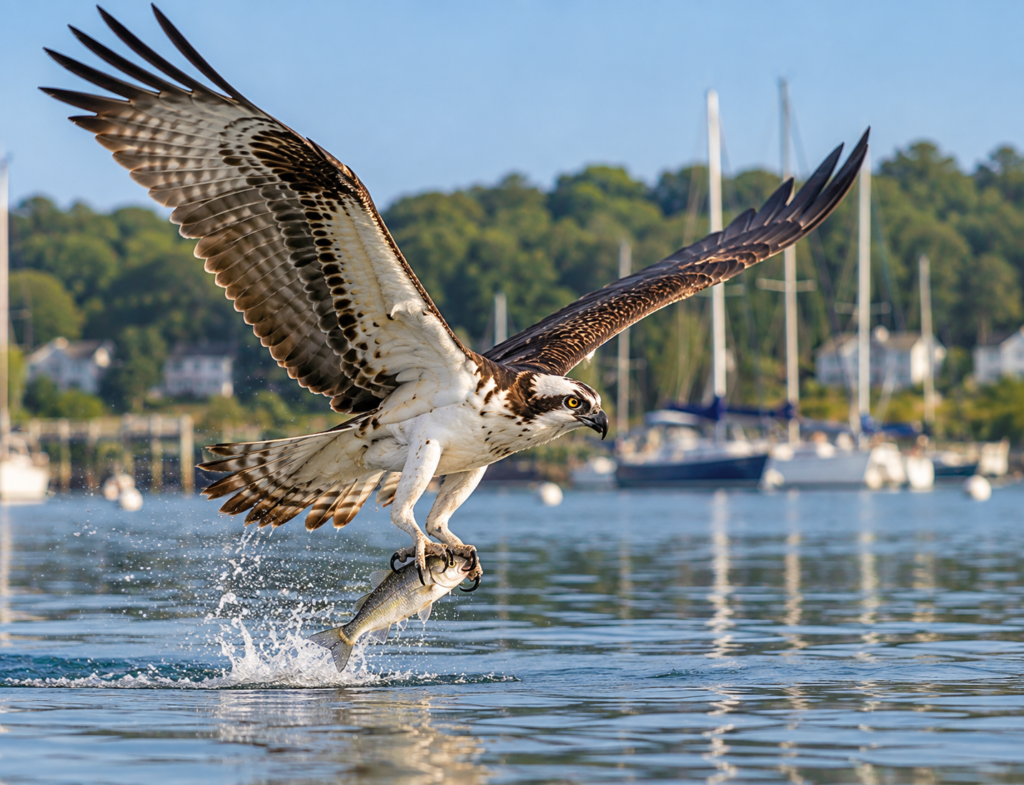
Osprey
Often seen hunting over the river, especially in warmer months.
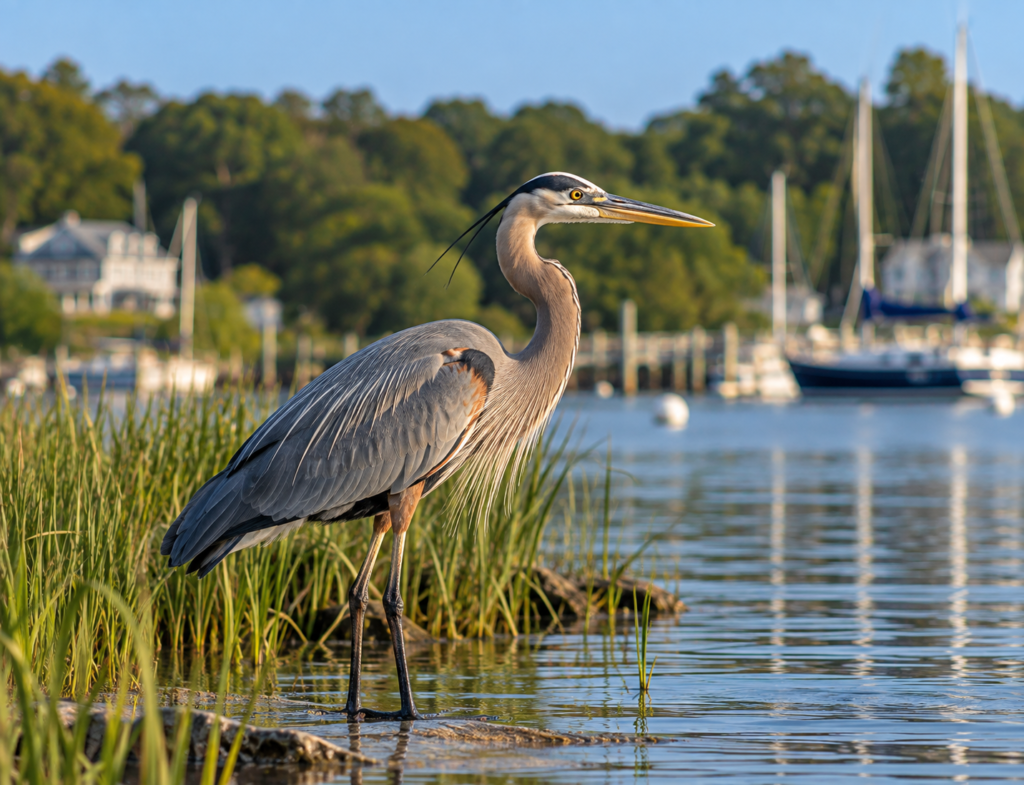
Great Blue Heron
A common sight along the shoreline and marsh areas.
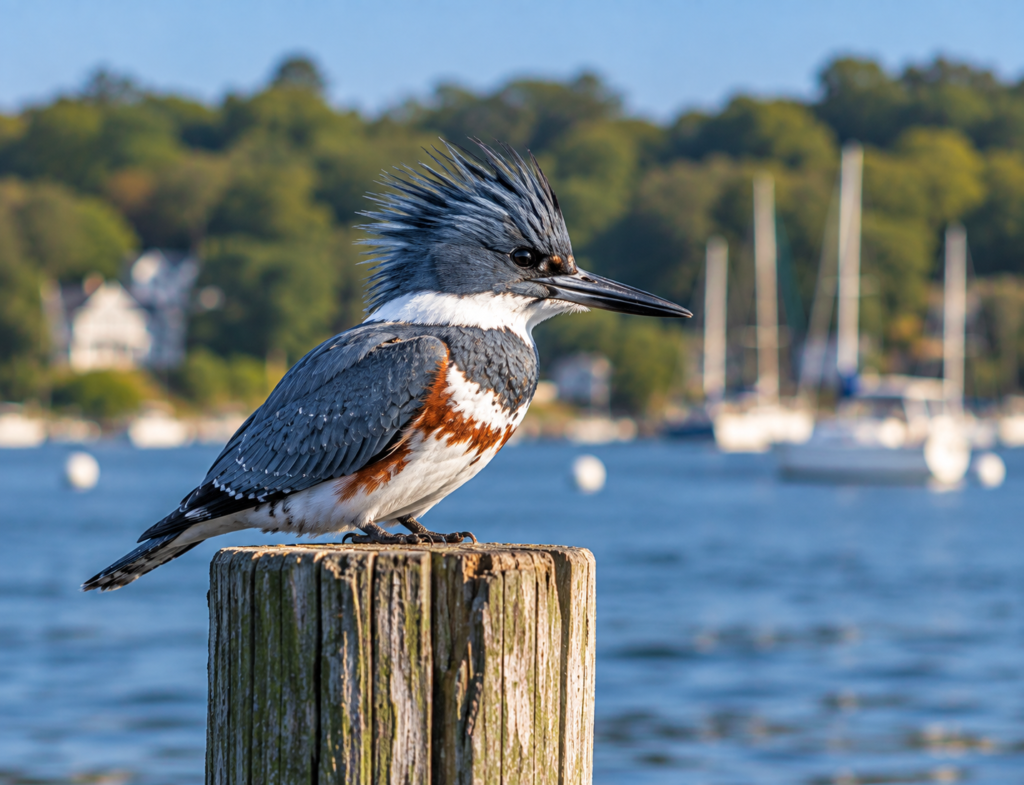
Belted Kingfisher
Listen for their call as they scan the water for small fish.
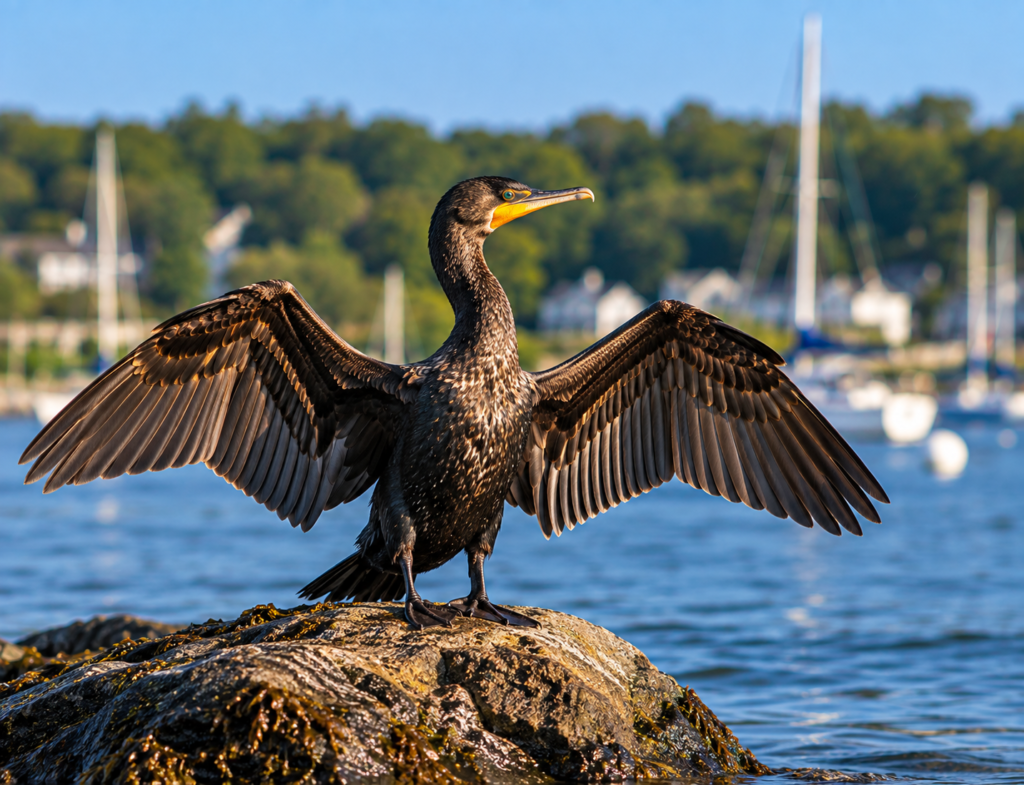
Cormorant
Frequently seen perched on docks and rocks.
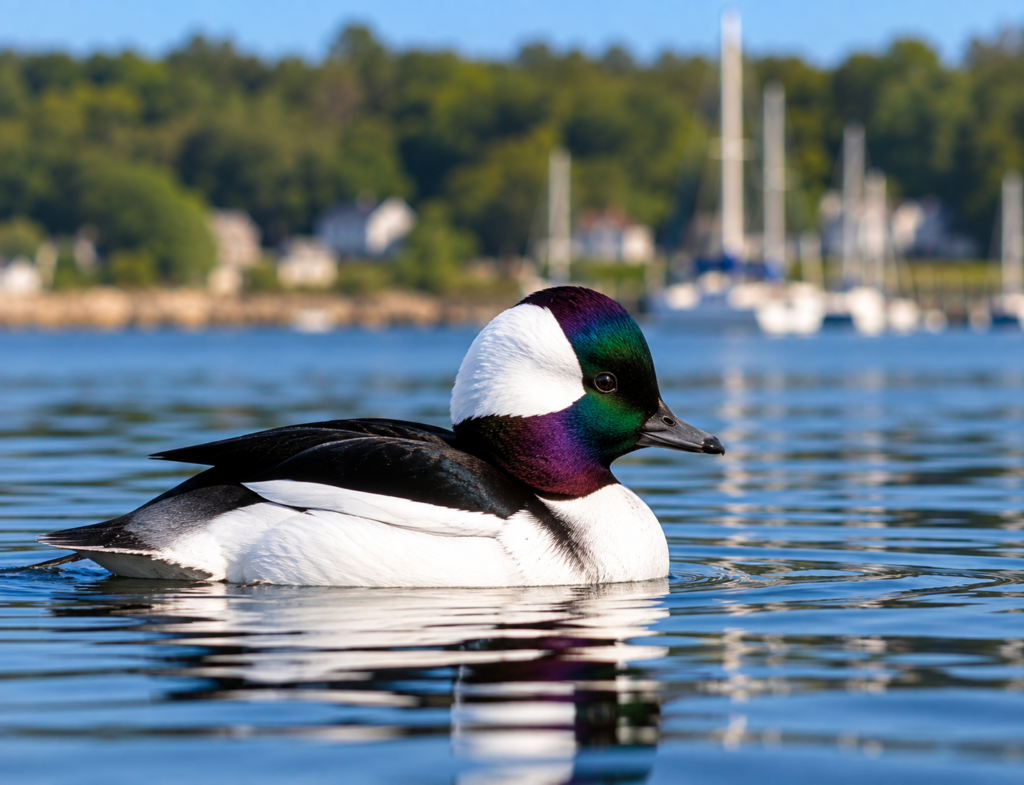
Bufflehead
A striking winter visitor that can be seen on the low river.
FISH
Life Beneath the Surface
The Niantic River is a nursery and feeding ground for many fish species,
supporting a healthy and diverse ecosystem from river herring to striped bass.
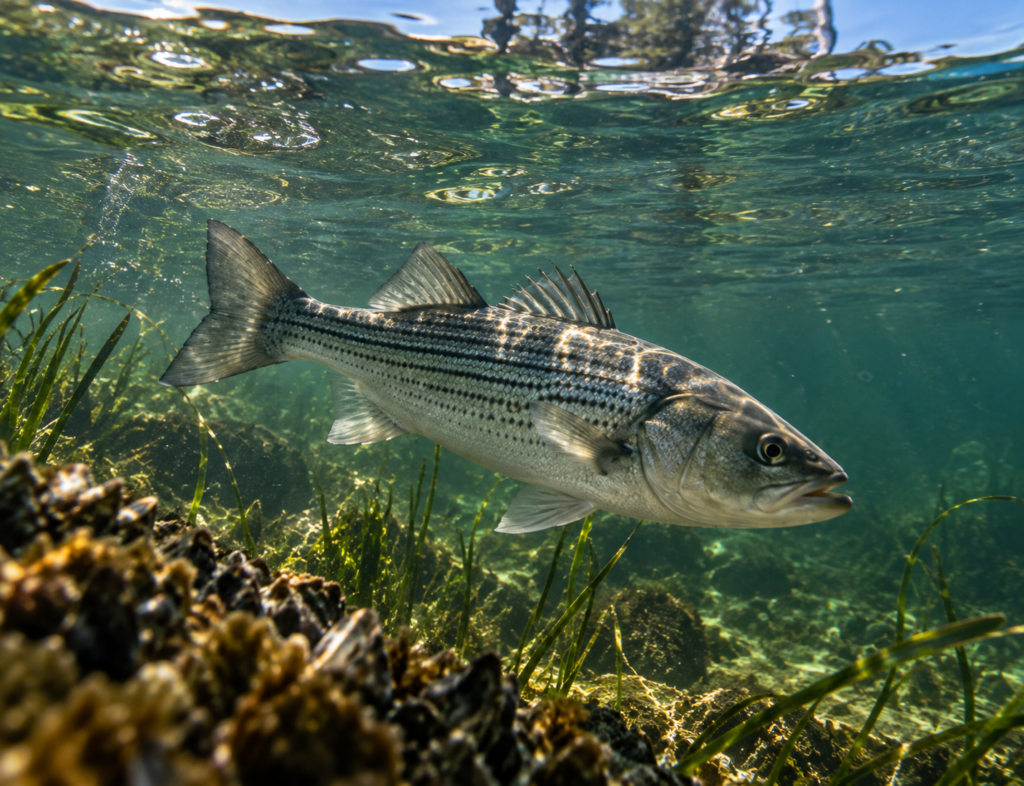
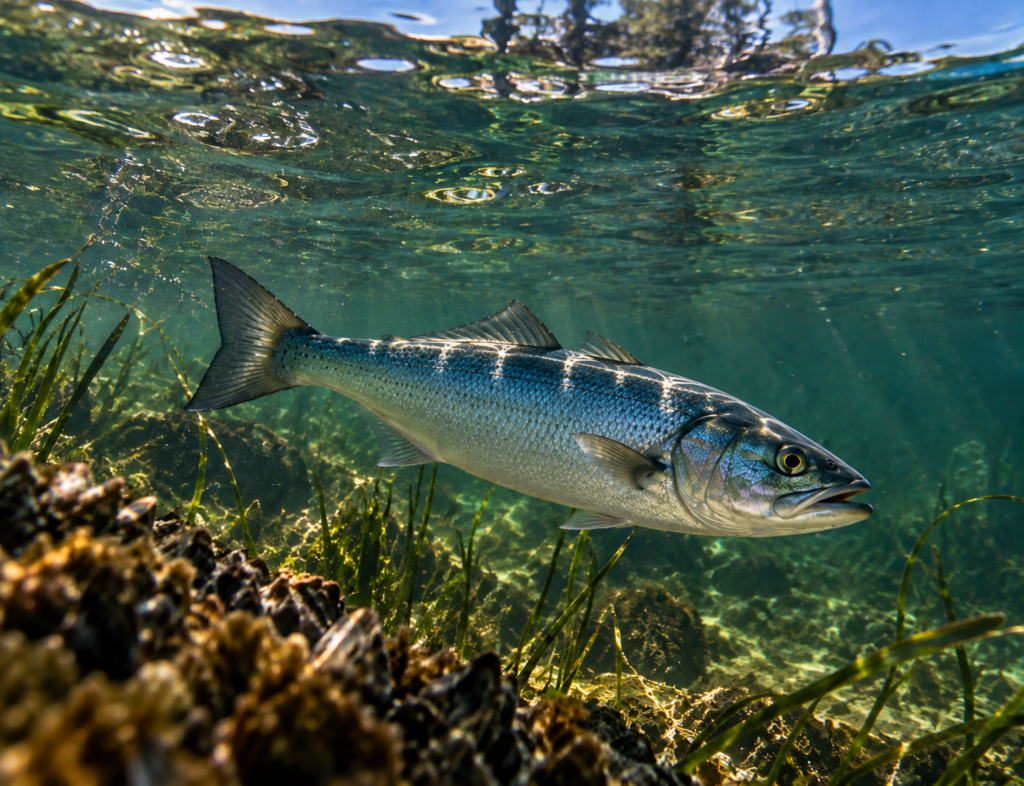
Striped Bass
A key species in the estuary and a favorite for local anglers.
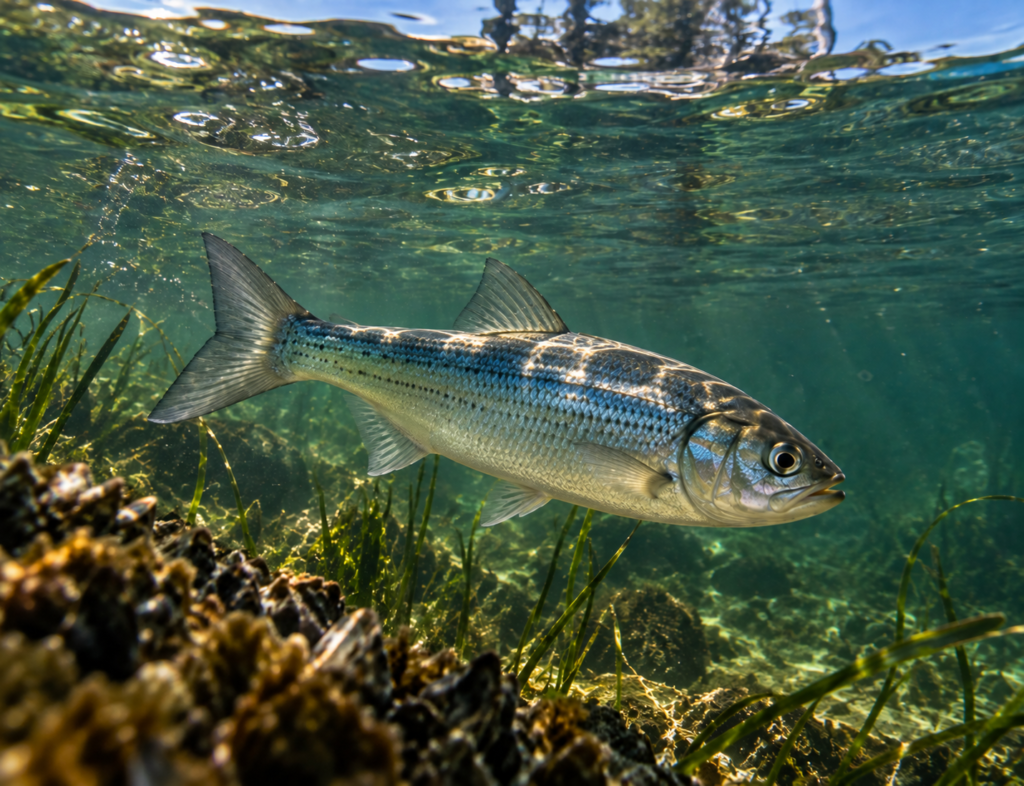
Alewife (River Herring)
Migrates between the river and Long Island Sound.
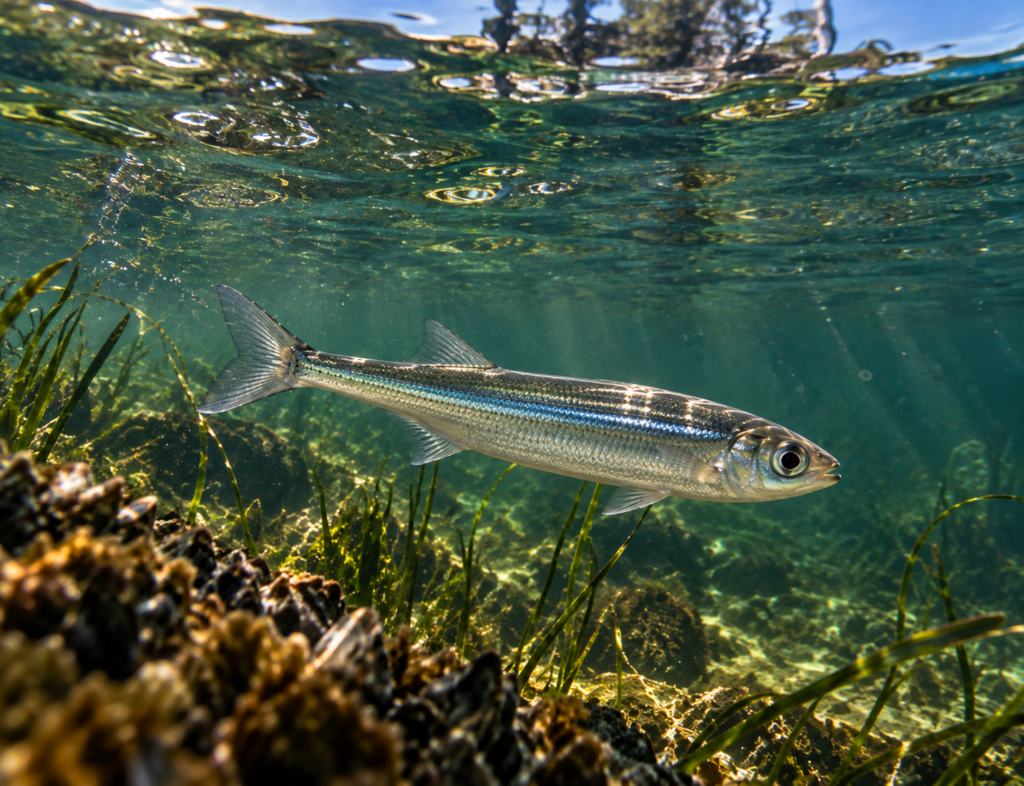
Atlantic Silverside
A small but important fish that supports many larger predators.
Bluefish
A common sight in Long Island Sound and the Niantic River.
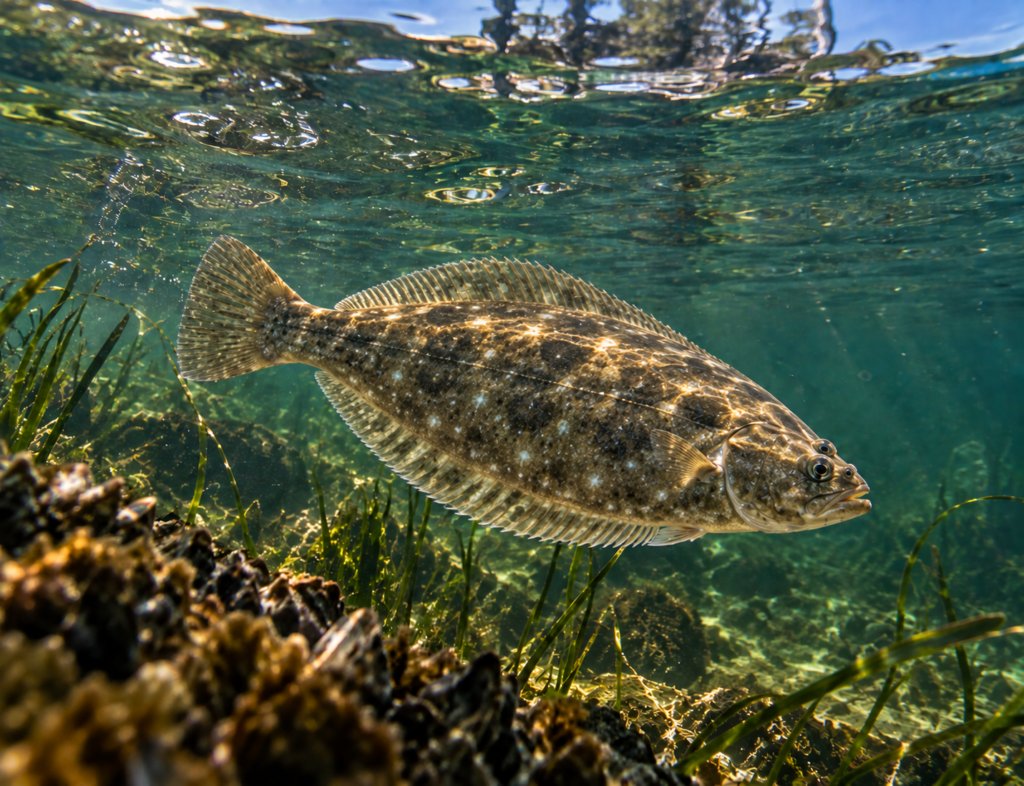
Fluke (Summer Flounder)
Feeds in the estuary and nearshore waters during warmer months.
SHELLFISH & INVERTEBRATES
A Hidden World
The river and cove support a variety of shellfish and invertebrates that play an essential role in a healthy estuary.
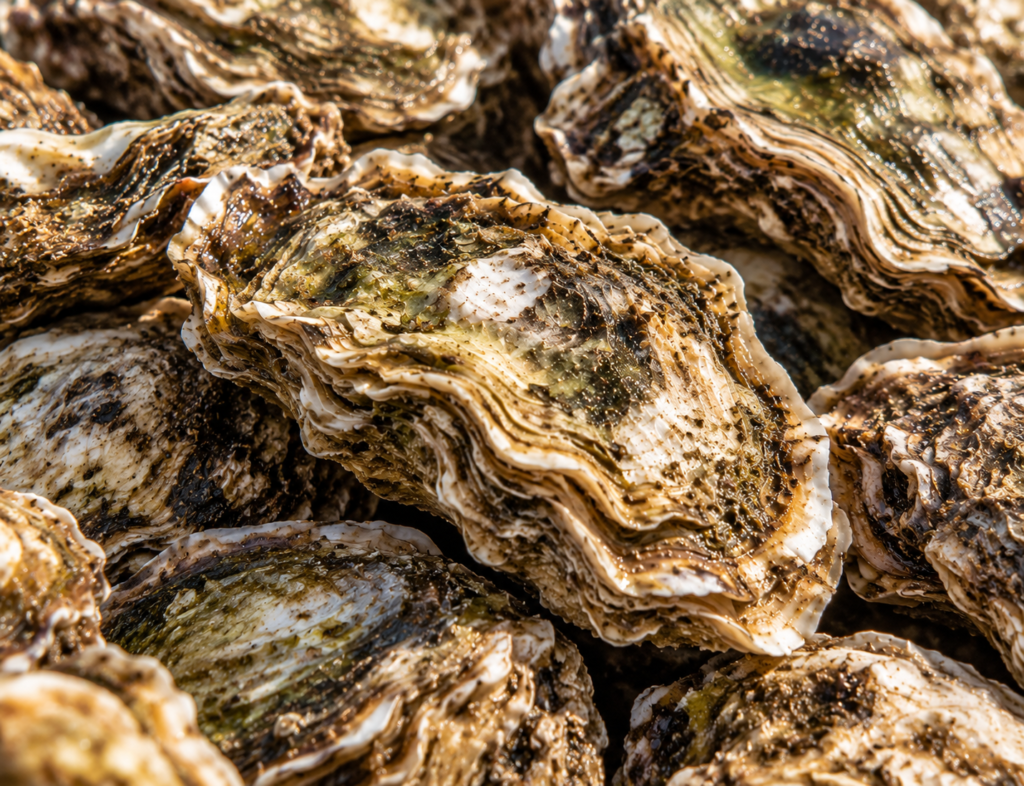
Eastern Oyster
Helps filter the water and supports habitat.
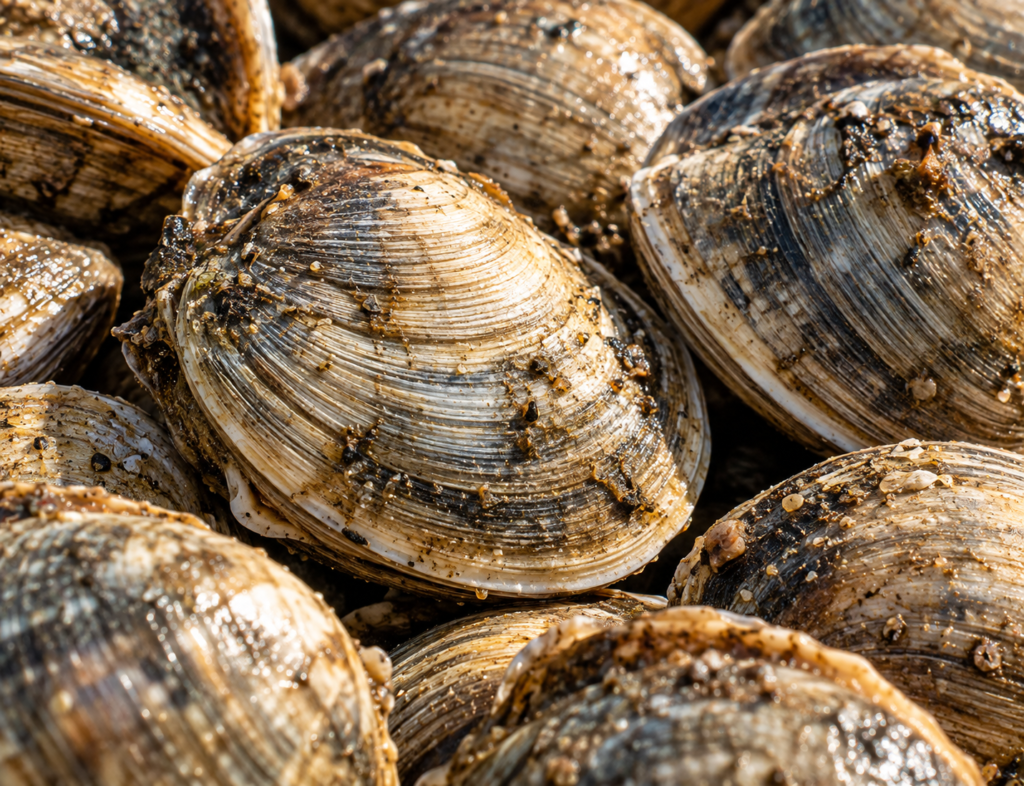
Quahog (Hard Clam)
A native clam species historically abundant in the Niantic.
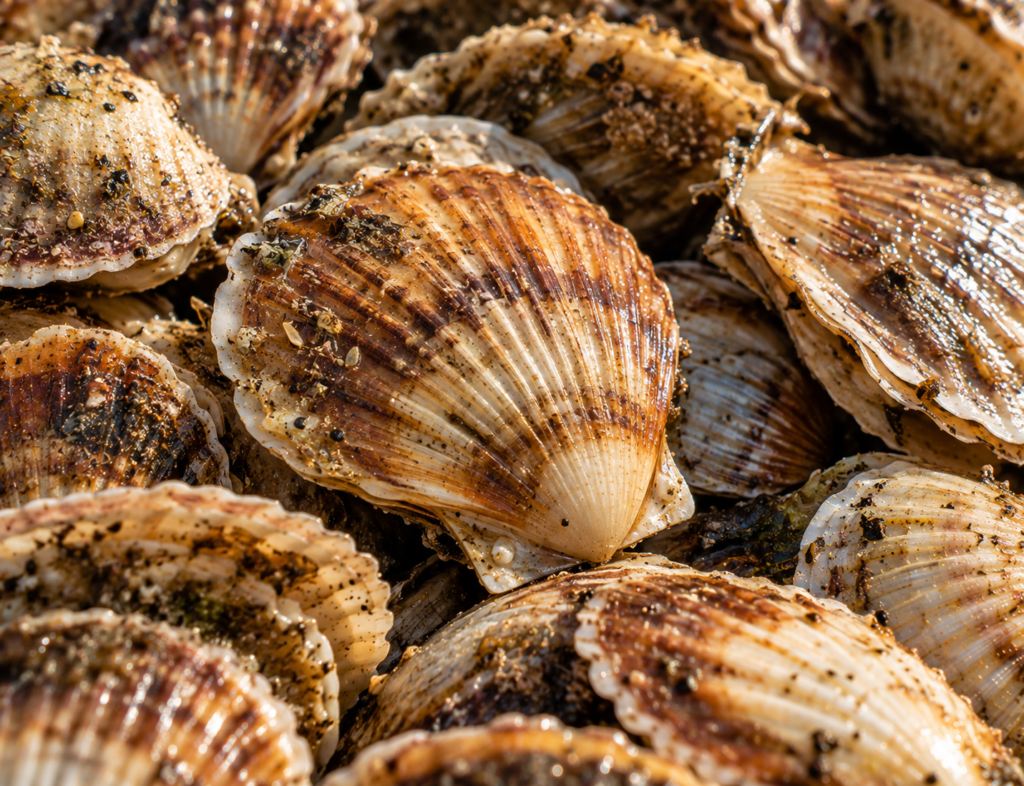
Bay Scallop
Once plentiful in the Niantic and still an important indicator species.
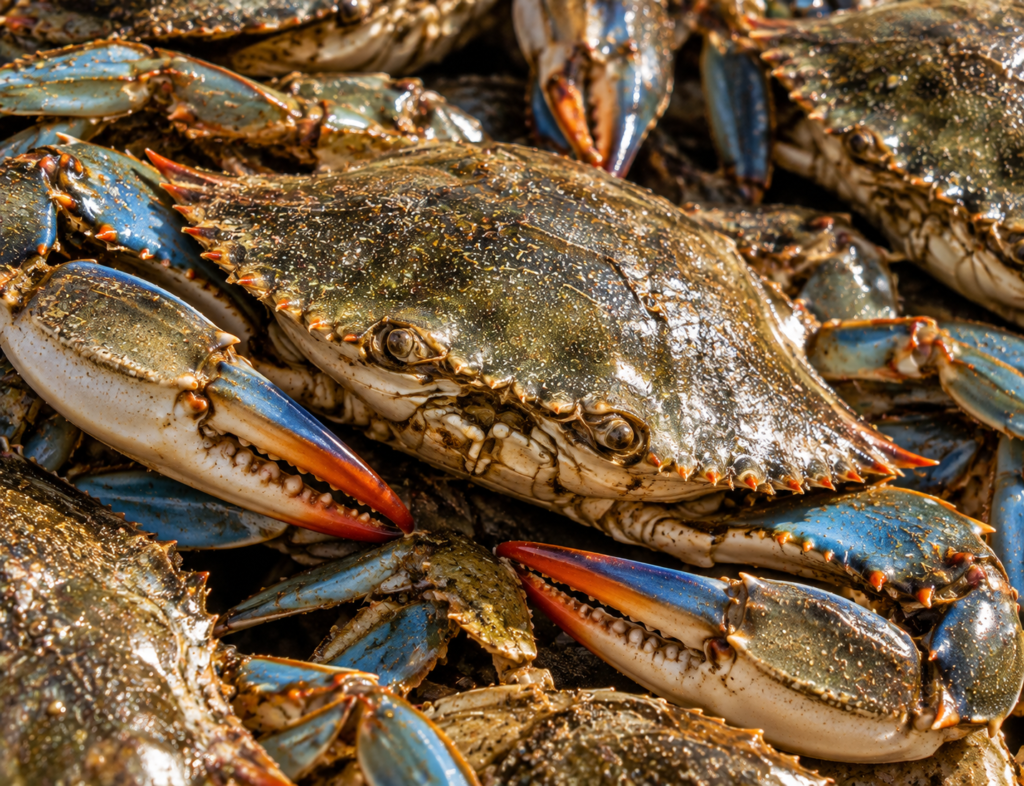
Blue Crab
A familiar and important part of the local ecosystem.
Plants & Habitat
Eelgrass and Estuary Life
Eelgrass beds, salt marshes, and shallow coves like Smith Cove
create critical habitat for fish, shellfish, and wildlife.
These underwater meadows provide shelter, food and nursery
areas for many species.
Things You Can Do To Help Preserve The Cove:
1. RESPECT WILDLIFE – Observe birds, fish, and other wildlife from a distance. Avoid disturbing nesting areas, chasing animals, or approaching feeding wildlife. Enjoy nature without interrupting it.
2. PROTECT EELGRASS HABITATS – Eelgrass provides shelter for juvenile fish, shellfish, and other marine organisms. Avoid anchoring, dragging equipment, or operating propellers through eelgrass beds.
3. KEEP OUT WATERS CLEAN – Secure loose items on boats, dispose of trash properly, and pick up litter whenever possible. Even small pieces of plastic can threaten marine life.
4. PRACTICE RESPONSIBLE BOATING – Follow posted speed limits and no-wake zones. Reducing unnecessary wakes helps protect shorelines from erosion and makes waterways safer for wildlife and fellow boaters.
5. REDUCE HARMFUL RUNOFF– Limit fertilizers and pesticides, maintain septic systems, and consider planting native vegetation. Rainwater can carry pollutants from lawns, roads, and properties into nearby waterways.
6. SUPPORT LOCAL CONSERVATION – Participate in shoreline cleanups, support habitat restoration projects, and learn about the organizations working to preserve the Niantic River watershed and Long Island Sound.